

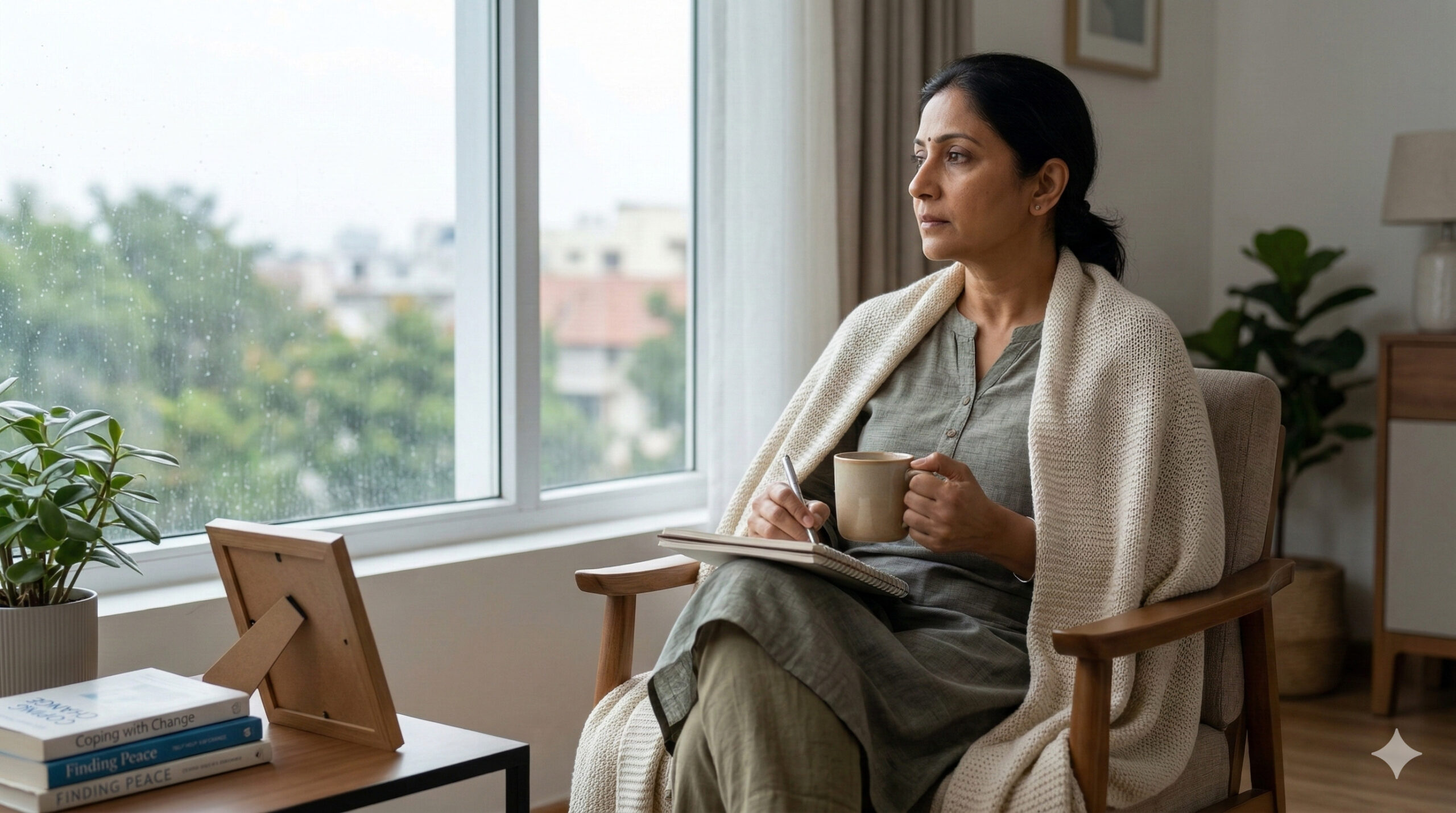
Divorce can be one of the most emotionally taxing experiences a person can go through. It’s a time of significant life change that often brings stress, anxiety, and confusion. While many people focus on the legal aspects of the process, it’s equally important to understand how divorce affects your mental health and how you can cope during this difficult time.
Emotional Impact of Divorce
The emotional toll of divorce can be overwhelming. For many, it feels like the end of a chapter filled with hopes and dreams, and that can leave you feeling lost and vulnerable. Some common emotional responses during divorce include:
- Sadness and Depression – It’s natural to feel a sense of grief over the end of your marriage. Sadness may arise from the loss of companionship, shared experiences, and life plans you had envisioned together. In some cases, this sadness may escalate into depression, making it hard to function day-to-day.
- Guilt and Regret – People often blame themselves during divorce, wondering if they could have done things differently. Feelings of guilt are especially common if children are involved. It’s important to acknowledge that feelings of guilt, though natural, don’t define the reality of the situation.
- Anxiety and Fear – The uncertainty that comes with divorce can lead to feelings of anxiety. Concerns about financial security, living arrangements, and the future can create overwhelming stress.
- Anger and Resentment – Divorce can lead to deep feelings of anger, especially if infidelity, betrayal, or unfair behavior was involved. These emotions can make the process more contentious and complicated.
- Loneliness – One of the most difficult aspects of divorce is the loss of emotional connection with your spouse. The absence of shared experiences, intimacy, and companionship can lead to loneliness and isolation.
Mental Health Challenges During Divorce
It’s crucial to recognize that the mental health challenges during divorce can have long-lasting effects. If not properly addressed, these emotions can interfere with your work, relationships, and overall well-being. Common issues include:
- Sleep Disturbances – Anxiety and stress often affect sleep, leading to exhaustion and difficulty in maintaining regular routines.
- Decreased Self-Esteem – Divorce can lead to a loss of identity and self-worth, especially if you identify strongly with your role in the marriage. Rebuilding self-esteem can be a slow and ongoing process.
- Difficulty with Coping Strategies – Without proper coping mechanisms, some individuals turn to unhealthy habits like substance abuse or over-eating to manage their emotional pain.
- Post-Divorce Stress Disorder (PDSD) – Similar to PTSD, PDSD can affect individuals who experience high levels of stress or trauma during divorce. Symptoms may include anxiety, hypervigilance, and flashbacks.
How to Cope with Mental Health Challenges During Divorce
While the emotional strain of divorce is undeniable, there are ways to manage and reduce the mental health impacts. Here are a few strategies:
- Seek Professional Support – One of the best ways to cope with the mental health challenges of divorce is to work with a therapist or counselor. A therapist specializing in divorce-related issues can help you navigate feelings of sadness, anger, or guilt and offer effective coping strategies.
- Talk to Your Divorce Lawyer – A compassionate divorce lawyer in Andheri West or family lawyer Mumbai can help alleviate some of the stress associated with the legal process. Knowing your rights and understanding the next steps can bring clarity and ease the mental burden.
- Maintain a Support System – Surround yourself with supportive friends and family. A trusted advocate in Andheri West can also offer emotional support and help you keep your perspective grounded during the process. Social connections can prevent isolation and provide reassurance during tough moments.
- Exercise and Nutrition – Physical health is closely tied to mental health. Regular exercise, yoga, or even daily walks can help reduce stress levels. Eating nutritious meals can also improve your mood and energy levels.
- Practice Self-Compassion – Be kind to yourself and allow yourself to feel your emotions. Healing takes time, and it’s okay to not have everything figured out immediately. Giving yourself permission to grieve and feel will help you move forward at your own pace.
- Focus on the Future – While divorce can feel like a major setback, it also opens up opportunities for personal growth. Consider taking up new hobbies, focusing on your career, or pursuing educational opportunities. Your future can be brighter than you imagine.
Why Choose Us?
At Easy Divorces, we understand the emotional and mental challenges that come with divorce. Our team of experienced top divorce lawyers in Mumbai and matrimonial lawyer Mumbai is here to guide you through every step of the process with empathy and professionalism. We provide expert divorce consulting in Mumbai that focuses on both legal and emotional aspects, ensuring that you feel supported every step of the way.
We offer personalized services, whether you’re seeking a divorce lawyer near me or need a divorce lawyer in Mumbai with a track record of success. Our legal team is not just focused on securing the best outcome in your case but also on helping you regain your peace of mind.
If you’re feeling overwhelmed, reach out to us for a consultation. Let us take the burden off your shoulders and help you move forward with confidence.
Note for you: Remember, divorce is a difficult journey, but you don’t have to walk it alone. At Easy Divorces, we’re here to guide you, every step of the way.