


What are Alimony, Maintenance, and Child Support?
Alimony, maintenance, and child support are legal payments meant to ensure financial stability for a spouse or child after separation, divorce, or during ongoing marital disputes.
Indian law ensures that no spouse or child is left without any support; especially when one partner is financially dependent or when children need consistent care.
If you’re facing financial injustice, emotional pressure, lack of support, or hidden assets, Easy Divorces helps you secure what you rightfully deserve with the guidance of a trusted divorce lawyer in Mumbai, family lawyer in Mumbai, or experienced matrimonial lawyer in Mumbai.

Understanding Alimony, Maintenance & Child Support
Although often confused, each term has a different legal meaning:
1. Alimony (Post-Divorce support)
A one-time or regular payment given after the divorce to ensure financial stability.
2. Maintenance (During marriage or divorce proceedings)
Support given during the marriage or while the case is ongoing — even before the divorce is final.
3. Child support (For children’s expenses)
Money provided by one or both parents to cover the child’s education, health, and lifestyle needs.
Whether you are seeking help or defending a claim, our team — including a skilled lawyer for divorce in Mumbai — ensures your rights are protected.
Why choose Easy Divorces?
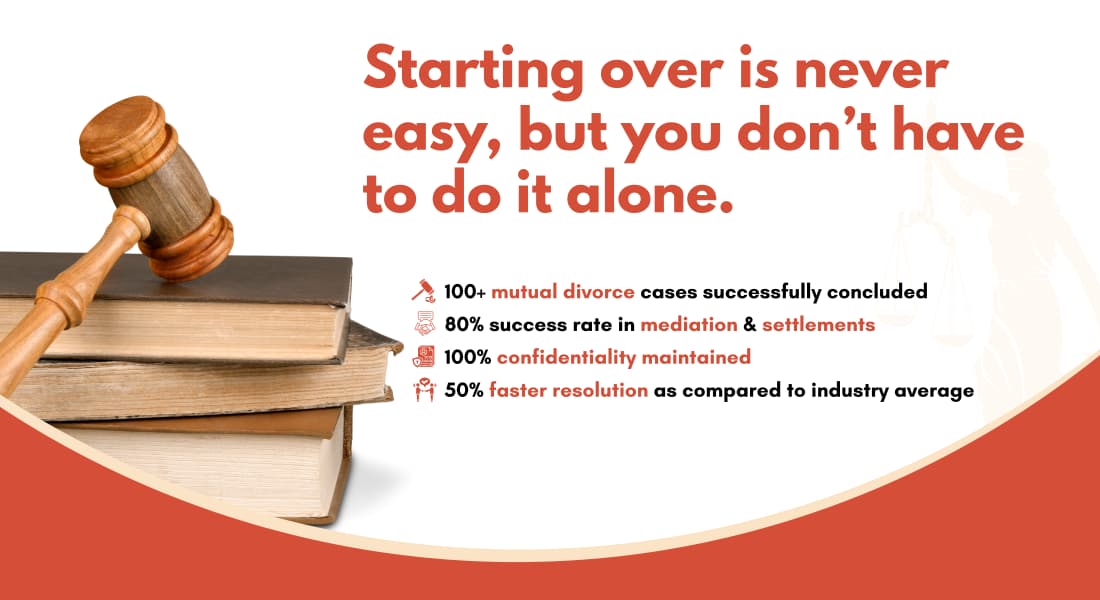
1. 75+ Alimony & financial settlement agreements drafted
Clear, fair, and legally strong agreements that protect long-term stability.
2. 100% focus on amicable, peaceful resolution
We prioritise dignity, fairness, and emotional comfort during negotiations.
3. Rated 4.7/5 by past clients
Clients appreciate our empathy, clarity, and results-driven approach.
4. 75% client referrals come through word of mouth
Most new clients come through recommendations — a reflection of trust and satisfaction.
A preferred choice for individuals looking for the best divorce lawyer in Mumbai, reliable divorce consulting in Mumbai, or a supportive lawyer for divorce in Mumbai during financial and child-related disputes.
Frequently Asked Questions (FAQ)
1. What is the difference between alimony and maintenance?
Maintenance usually refers to financial support paid during or after matrimonial proceedings so that the dependent spouse or child can manage basic expenses.
Alimony is generally used for a larger financial settlement, which may be paid as a one-time amount or sometimes as regular support after divorce.
In simple terms, maintenance helps with ongoing support. Alimony often deals with final financial settlement.
2. Is alimony compulsory in every divorce case?
No. Alimony is not compulsory in every divorce case. It depends on the facts of the matter, income of both parties, financial dependency, lifestyle, duration of marriage, child responsibilities, health, liabilities, and settlement terms.
A Divorce Alimony Lawyer can help you understand whether alimony is likely, how much may be reasonable, and how to protect your financial position.
3. Can maintenance be claimed before the divorce is final?
Yes. Interim maintenance can be claimed while the divorce, domestic violence, or maintenance case is still pending.
This is important because many cases take time, and the dependent spouse or child may need financial support before the final order is passed.
4. Who can claim maintenance in a divorce case?
Depending on the facts and applicable law, maintenance may be claimed by a wife, husband, minor child, major child with special needs, or dependent parent.
In matrimonial disputes, the most common claims are for spouse maintenance and child maintenance.
5. Can a husband claim maintenance from his wife?
Yes, in certain cases, a husband may claim maintenance if he is unable to maintain himself and the wife has sufficient income. However, the court will carefully examine whether the claim is genuine.
Being unemployed by choice is different from being genuinely unable to earn.
6. Can an earning wife still claim maintenance?
Yes, but it depends on whether her income is sufficient to maintain herself according to the lifestyle, expenses, responsibilities, and facts of the marriage.
The court may look at both parties’ income, standard of living, child responsibility, rent, medical expenses, loans, and financial disclosures before deciding.
7. Can maintenance be denied if the spouse is hiding income?
If one spouse is hiding income, the court may examine bank statements, lifestyle, assets, business records, social media, travel, property, tax documents, and spending patterns.
A strong maintenance case is not just about saying “they earn more.” It is about proving financial capacity with proper material.
8. How is the amount of maintenance decided?
There is no one fixed formula for every case. The court may consider income, standard of living, reasonable expenses, liabilities, dependent children, health, education, assets, conduct, and earning capacity.
This is why two cases with the same salary can still have very different maintenance orders.
9. Can maintenance be claimed for children?
Yes. Child maintenance can include school fees, tuition, transport, medical expenses, extracurricular activities, food, clothing, insurance, and daily needs.
The child’s standard of living and welfare are important factors. Child expenses should be clearly documented.
10. Can school fees be paid separately from spouse maintenance?
Yes. In many cases, courts or settlement terms may keep child education expenses separate from spouse maintenance.
For example, one parent may pay monthly maintenance while also contributing separately to school fees, medical expenses, or major educational costs.
11. What documents are useful in an alimony or maintenance case?
Useful documents may include salary slips, income tax returns, bank statements, rent agreements, loan documents, school fee receipts, medical bills, business records, investment details, property documents, credit card statements, lifestyle proof, and expense charts.
A Maintenance Lawyer Andheri can help you prepare the right financial record before filing or responding.
12. What if my spouse is showing a low salary but living a luxury lifestyle?
Courts can look beyond salary slips. If a person claims low income but has expensive travel, luxury purchases, business control, high-value assets, or unexplained spending, those facts may become relevant.
Lifestyle evidence should be collected carefully and legally.
13. Is one-time alimony better than monthly maintenance?
It depends on the case. One-time alimony may give finality and reduce future conflict. Monthly maintenance may be better where long-term dependency, child needs, uncertain finances, or future expenses are involved.
The right choice depends on risk, payment capacity, tax implications, child responsibilities, and whether both parties want a clean closure.
14. Can alimony be settled mutually?
Yes. In mutual consent divorce, both parties can agree on one-time alimony, no alimony, monthly support, child expenses, return of stridhan, property division, and withdrawal of pending cases.
However, settlement terms should be drafted clearly. Vague lines like “all issues settled” can create disputes later.
15. Can alimony be changed after divorce?
In some cases, maintenance or alimony arrangements may be modified if there is a major change in circumstances, such as job loss, serious illness, remarriage, increase in child expenses, or change in income.
The possibility depends on the type of order, settlement wording, and facts of the case.
16. Can maintenance be claimed if the couple is living separately but not divorced?
Yes. A spouse may claim maintenance even when the couple is separated but not yet divorced, depending on the facts and legal grounds.
You do not always have to wait for divorce to ask for financial support.
17. What if my spouse refuses to pay maintenance after a court order?
If maintenance is ordered and the spouse still refuses to pay, legal steps can be taken for enforcement, recovery of arrears, and further court action.
Ignoring a maintenance order can create serious legal consequences.
18. Why should I speak to an Alimony Lawyer before agreeing to settlement?
Because once you agree to financial settlement terms, it can be difficult to undo them later. Many people agree under pressure without calculating rent, child expenses, future school fees, medical needs, loans, or long-term financial impact.
An Alimony Lawyer helps you understand whether the amount is fair, practical, enforceable, and legally safe.
19. How can an Alimony Lawyer Near Me help in my case?
An Alimony Lawyer Near Me can help you review your financial position, prepare documents, estimate reasonable claims, respond to exaggerated demands, negotiate settlement, and represent you in court.
Easy Divorces helps clients handle alimony and maintenance matters with clarity, confidentiality, and practical legal strategy.
20. Why choose Easy Divorces for alimony and maintenance matters?
Easy Divorces helps clients understand their financial rights and responsibilities during divorce, separation, custody disputes, and matrimonial proceedings.
Whether you are searching for a Maintenance Lawyer Andheri, Divorce Alimony Lawyer, Alimony Lawyer Near Me, or Alimony Lawyer, our team helps you approach maintenance and alimony matters with strong documentation, clear advice, and a strategy that protects your future.